College Volleyball Recruiting

College Volleyball Recruiting Support at GSI

GSI helps student-athletes build current recruiting materials, understand graduation-stage priorities, communicate professionally and evaluate the full college fit.

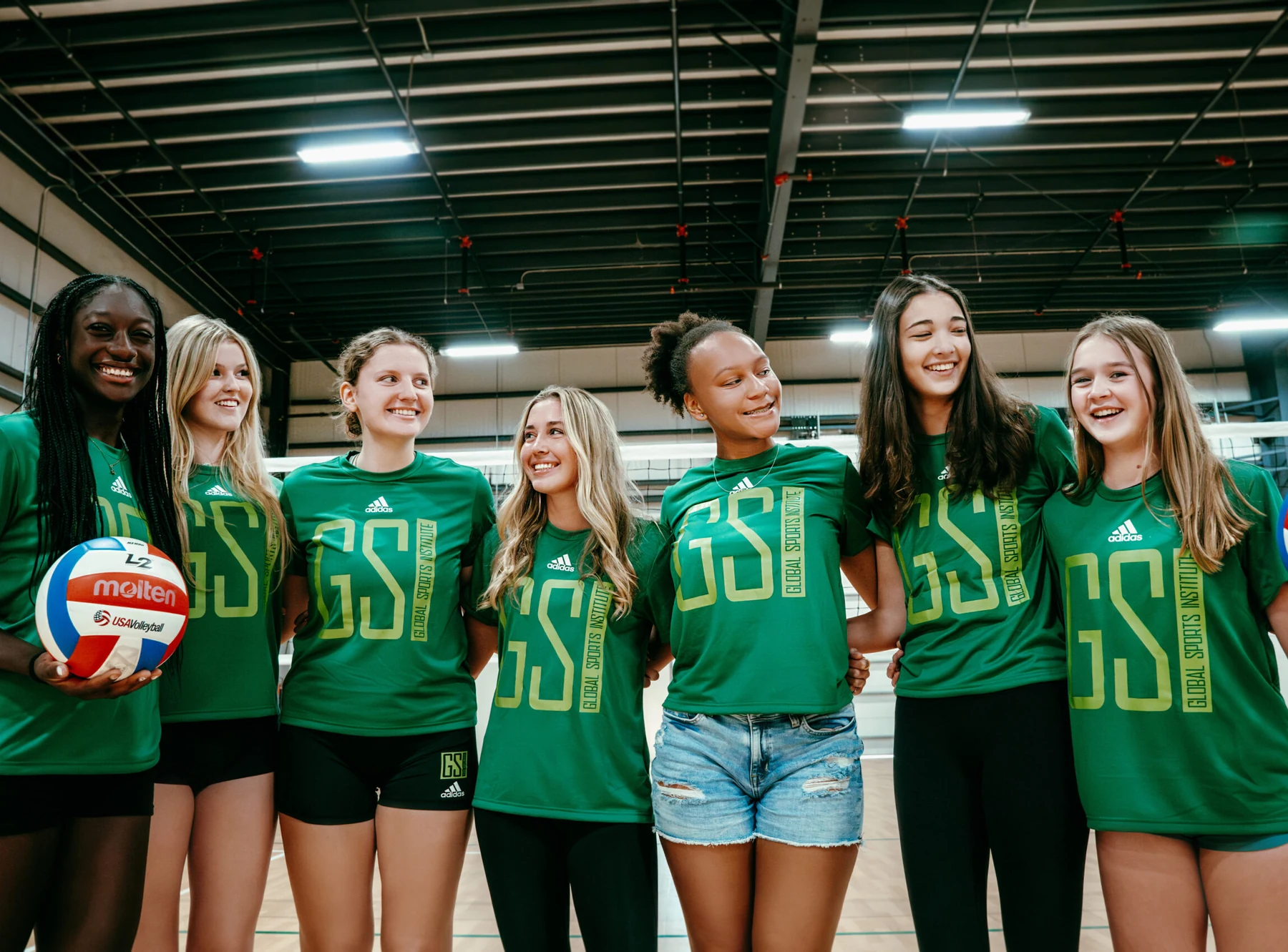
GSI volleyball athletes together inside the training facility

Required First Step

Complete the Current Recruiting Questionnaire

The questionnaire helps the recruiting team confirm graduation year, position, academic context, current materials and the next onboarding step for eligible U14–U18 athletes.

Current graduation-year questionnaire links are distributed by the GSI recruiting team after the athlete’s age group and graduation year are confirmed.

Prepare Before You Start

Information Athletes Should Have Ready

  • Graduation year and position
  • School and academic information
  • Current club team and competition schedule
  • SportsRecruits profile, if available
  • Recent position-relevant video
  • Initial college interests and questions

Recruiting Support

Six connected areas keep the process accurate, current and understandable.

Athlete Profile

Keep academic, athletic and contact information accurate and current.

Highlight Video

Use concise, position-relevant clips that show movement, technique and game impact.

Coach Communication

Prepare professional outreach, follow-up and questions for college programs.

Academic Planning

Track core courses, admissions requirements and eligibility tasks.

College Fit

Compare level, academics, roster opportunity, cost, location and culture.

Follow-Through

Document contacts, visits, next steps and decisions through the full process.

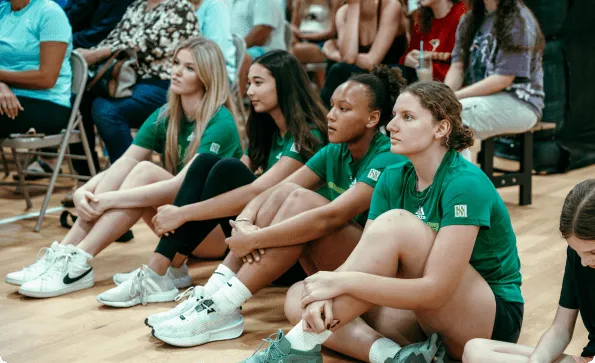
Volleyball athletes listening to coaching from the sideline

Development First

How Athlete Development Supports Recruiting Materials

College coaches evaluate current skill, competitive role, academics, communication and fit. GSI connects recruiting preparation to the athlete’s training and competition plan rather than treating exposure as a shortcut.

Explore Athlete Development

College Recruiting Steps by Graduation Stage

Use the athlete’s current school year to prioritize the right academic, video, communication and college-research tasks.

Freshman Year

Freshman Recruiting Priorities

  • Learn current NCAA communication and recruiting rules with a trusted advisor.
  • Create and maintain an accurate SportsRecruits profile.
  • Build consistent academic and volleyball training habits.
  • Track core-course planning and school requirements.

Sophomore Year

Sophomore Recruiting Priorities

  • Update position-relevant video and a professional athlete presence.
  • Build a broad college list based on academics, level, location and fit.
  • Practice concise email communication and copy the GSI recruiting contact when requested.
  • Check each college’s admissions and testing requirements.
  • Continue technical, physical and academic development.

Junior Year

Junior Recruiting Priorities

  • Research and narrow the college list.
  • Register with the NCAA Eligibility Center when appropriate and verify current requirements.
  • Prepare current highlight video, profile, resume and competition schedule.
  • Attend relevant camps, clinics and campus visits within current recruiting rules.
  • Track communication and follow-up with each program.

Senior Year

Senior Recruiting Priorities

  • Finalize academic, athletic, financial and campus fit.
  • Complete visits, admissions and financial-aid steps.
  • Review all offer and roster expectations before committing.
  • Maintain professional follow-up with coaches.
  • Reassess the school list and continue outreach when the right fit is not yet found.

Recruiting Leadership

Athletes receive evaluation, planning and communication support from experienced GSI leaders.

Yury Shakirov

Recruiting Leadership

Yury Shakirov

Club Director / Master Coach

Supports athlete development, honest evaluation and strategic recruiting preparation informed by high-level European and Russian volleyball experience.

Recruiting Leadership

Dexter Rogers

Team Florida Boys Head Coach / Naples Campus Director

Supports athlete evaluation, college-fit research and professional communication with college programs.

For Athletes

Athlete Responsibilities During College Recruiting

  • Maintain accurate academic and athletic information
  • Use recent, position-relevant video
  • Know the competition schedule
  • Write concise and professional messages
  • Respond promptly and track conversations

For Families

How Families Evaluate Academic, Athletic and Financial Fit

  • Academic program and admissions fit
  • Roster role and development environment
  • Total cost and financial-aid terms
  • Campus, location and student support
  • Clear expectations before any commitment

Recruiting Technology & Resources

SportsRecruits logoHudl logoNCSA College Recruiting logoFieldLevel logoPrep Dig logoElevate logo

Contact GSI

Build a recruiting plan

Share the athlete’s graduation year, position, current level and the part of the process that needs the most support.

Required fields

College Recruiting Questions

Who should complete the GSI recruiting questionnaire?

The legacy program required a questionnaire for U14–U18 athletes. Request the current graduation-year link from GSI so the team can confirm the correct, active form.

When should an athlete start learning about recruiting?

Athletes can learn the process early, while outreach and visibility work should match age, readiness and current recruiting rules. Strong academics and daily development come first.

What belongs in a recruiting profile?

Include graduation year, position, height, academic information, current schedule, verified contact details, concise video and coach references.

Does GSI guarantee a roster spot or scholarship?

No. GSI provides planning, feedback and communication support, while each college controls admissions, roster and financial-aid decisions.

Why do academics matter?

Grades, core courses and admissions requirements affect eligibility, school choice and financial options. Academic planning should remain part of every recruiting decision.